
Views: 0 Author: Site Editor Publish Time: 2026-11-04 Origin: Site


Commercial cleaning robots do not have one standard runtime. The same machine can run for substantially different periods in sweeping and scrubbing modes.
For example, ZYLOR lists the TN10 Pro at up to 3 hours of scrubbing or up to 8 hours of sweeping. The TN30 Pro lists 2.5–3.5 hours of scrubbing or up to 10 hours of sweeping. These are published specifications, not guaranteed results for every facility.
For purchasing decisions, compare the runtime for your required cleaning mode, then check whether the robot can complete the assigned work within your cleaning window.
Table of Contents
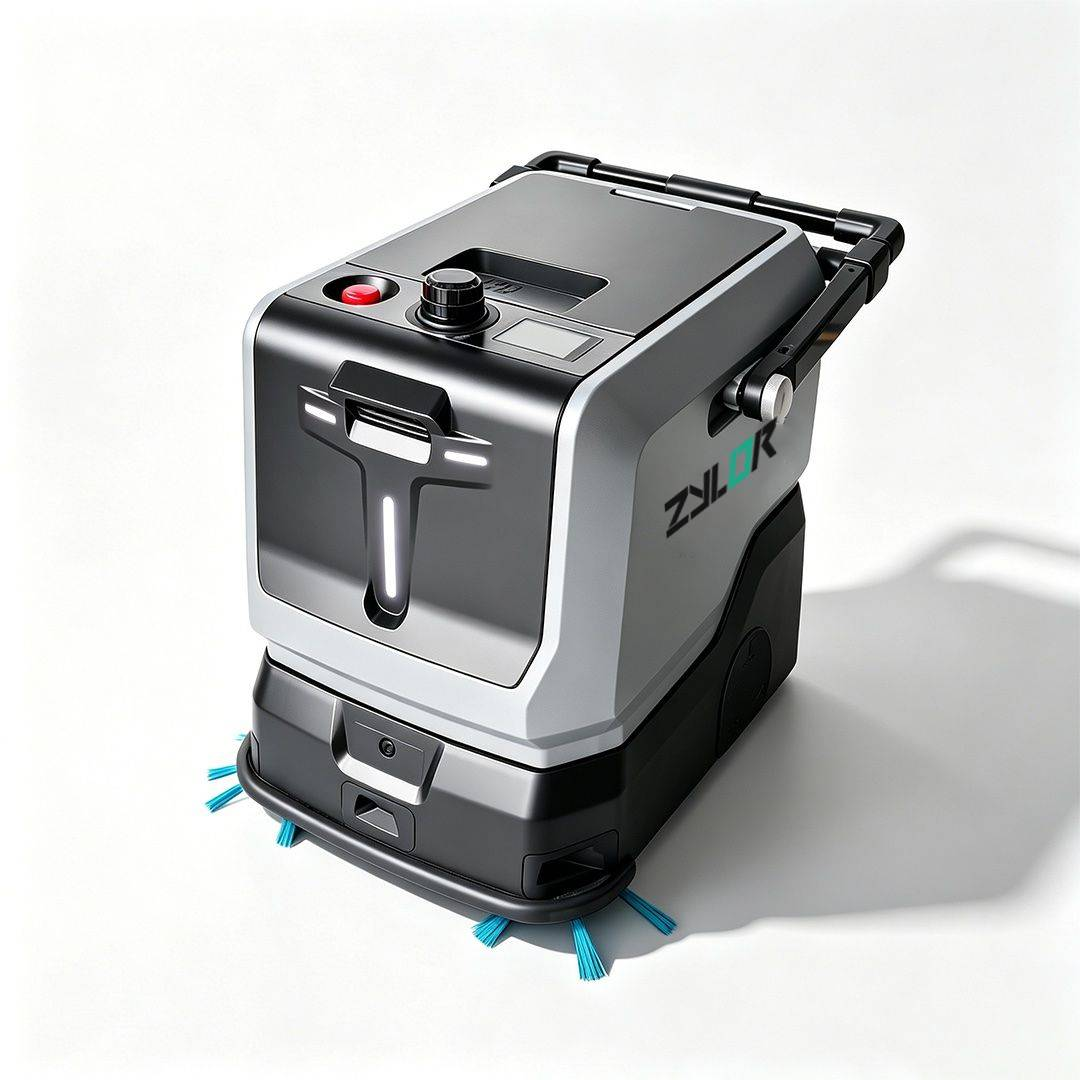
The following figures are published on ZYLOR’s product pages.
Model | Published operating runtime | Published charging time | Important qualification |
|---|---|---|---|
TN10 Pro | Scrubbing: up to 3 hours; sweeping: up to 8 hours | Under 2 hours | Compare the mode required for your task |
TN30 Pro | Scrubbing: 2.5–3.5 hours; sweeping: up to 10 hours | Less than 2.5 hours | Sweeping runtime should not be used to plan a scrubbing route |
S79 | 4 hours | 3.5 hours | The runtime entry does not specify separate figures by cleaning mode |
Review the TN10 Pro specifications, TN30 Pro specifications, and S79 specifications when preparing a shortlist.
Ask ZYLOR to confirm the current configuration and the conditions behind each figure before ordering.
Sweeping and wet scrubbing use different combinations of equipment. Scrubbing may involve brush agitation, solution delivery, and water recovery alongside movement and navigation.
The resulting electrical demand depends on the machine design and settings. Do not compare one robot’s sweeping maximum with another robot’s scrubbing figure.
Also check whether the quoted runtime includes transit between zones, waiting, and return to the charging station.
Runtime means how long the robot operates between charges.
Battery service life describes how long the battery remains suitable for use before replacement is needed. It depends on the battery system, operating conditions, charging practices, and the manufacturer’s replacement criteria.
Keep these questions separate when reviewing specifications and warranties.
Published figures help with initial screening. A site trial shows how the proposed machine behaves on your routes.
Brush settings, suction, speed, and cleaning mode can affect energy demand where those settings are adjustable.
Compare machines at settings that achieve the required cleaning result. A longer runtime has limited value if the floor needs another pass.
Avoid reducing cleaning intensity simply to reach a battery target. Agree on the acceptable floor condition first.
Floor texture, approved slopes, frequent turns, and transitions can affect the work required to complete a route.
Pedestrians and temporary obstructions can also increase elapsed task time through waiting or detours. That does not necessarily mean the battery is discharging faster; it may mean less area is cleaned during the available time.
There is no universal percentage reduction for carpets, textured floors, or busy layouts. Measure the proposed route rather than applying a fixed correction.
Operate, store, and charge the robot within the limits specified for the exact model.
Battery condition can change over time. Brushes, filters, recovery components, wheels, and other service items should also be maintained according to the manual.
If runtime falls unexpectedly, record the route, settings, alerts, and recent changes before requesting technical support. Do not assume that every reduction means the battery needs replacement.
Applying the same discount to every published runtime does not account for differences between sites.
Use trial results to establish a planning allowance for interruptions, route variation, and return to the dock. Agree on that allowance around your actual operations.
A robot can stop cleaning while it still has battery capacity remaining.
For wet cleaning, clean-water supply and wastewater capacity may determine the next service stop. Dry cleaning can be interrupted by debris-bin or filter servicing.
Model | Published clean-water / wastewater capacity | Published dry debris capacity |
|---|---|---|
TN10 Pro | 10 L / 10 L | 1 L |
TN30 Pro | 30 L / 30 L | 2 L |
S79 | 20 L / 18 L | Not used here as a comparison figure |
Tank size alone does not establish cleaning duration. Water settings, soil conditions, and the cleaning process affect service intervals.
Record when servicing is needed during the trial and how much staff time it takes.
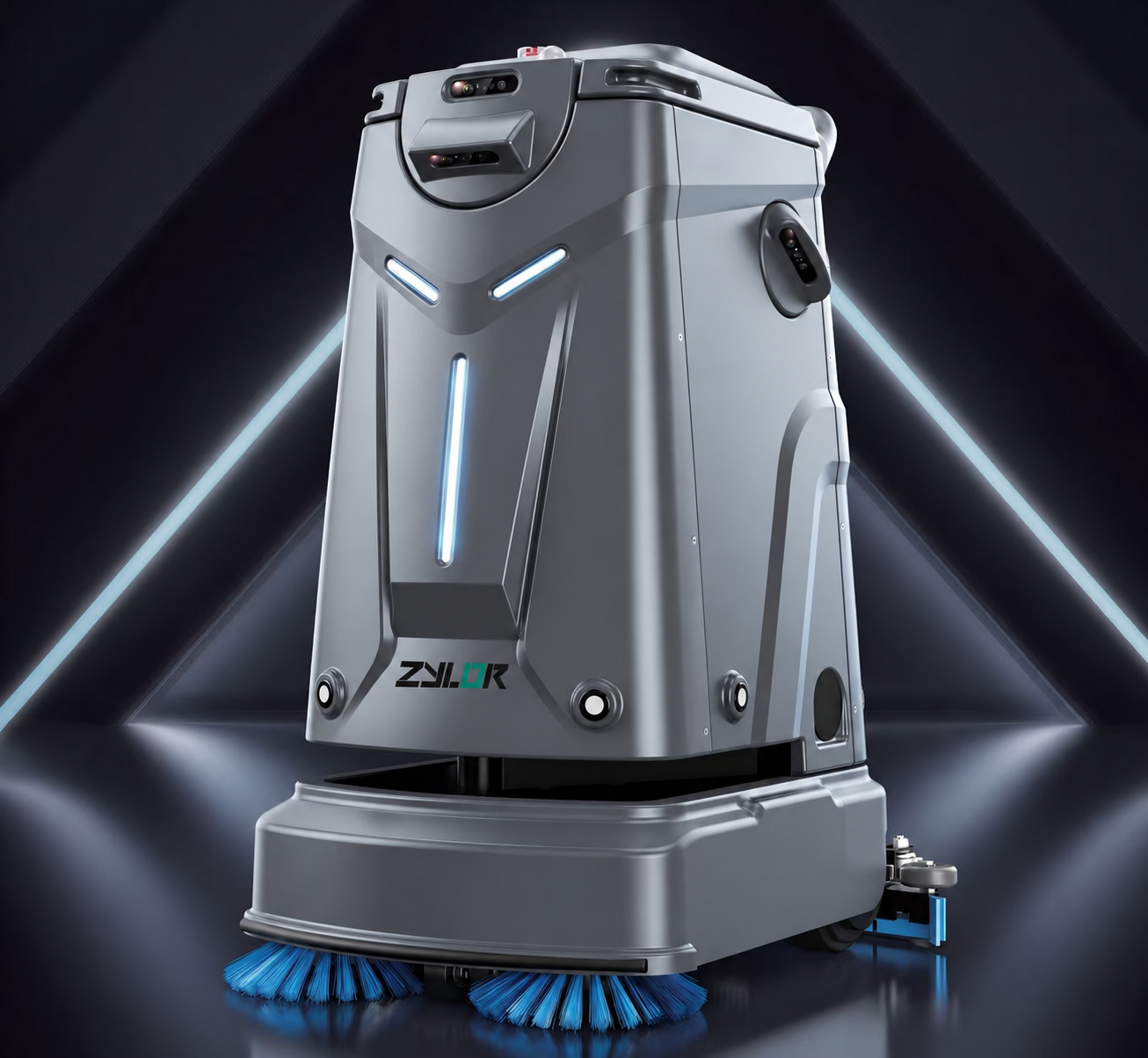
A charging dock does not automatically require water supply and drainage. Those connections relate to a station that also performs water servicing.
For example, the TN30 Pro lists automatic charging, with automatic refilling and drainage available through an optional station. Confirm what is included in the proposed configuration.
For each model, ask:
What triggers a return to the dock?
How much battery reserve is retained?
Can the robot resume the interrupted task?
Which functions require staff assistance?
What power, space, network, or plumbing provisions are required?
Ask whether the published time refers to a full charge or a defined state-of-charge range.
Use only the approved charger and charging procedure. Do not assume that short charging sessions, fast charging, or battery swapping are supported because another robot offers those functions.
Battery chemistry alone is not enough to establish the permitted charging method.

The practical question is whether the robot can clean the required area to an acceptable standard within the time available.
Use a measured site rate:
Required active cleaning time = assigned area ÷ measured cleaning rate
For example, an assigned area of 1,200 m² at a measured rate of 600 m²/h requires 2 hours of active cleaning.
This is an illustrative calculation, not a ZYLOR performance claim.
Then account for travel, waiting, servicing, charging, and any rework. Keep these categories separate so time is not counted twice.
Do not multiply a maximum coverage rate by a maximum runtime unless the supplier confirms that both figures apply to the same mode and conditions.
Item | What to record |
|---|---|
Cleaning task | Floor type, soil condition, mode, and settings |
Battery use | Starting and ending charge levels |
Accepted coverage | Area meeting the agreed cleaning standard |
Time | Active cleaning and total elapsed task time |
Interruptions | Waiting, detours, recovery, and manual assistance |
Servicing | Water, debris, filters, and routine care |
Charging | Docking success, charging duration, and task resumption |
Repeat the trial under representative operating conditions. Include busy periods or difficult zones if they are part of the planned route.
An eight-hour operating window does not require eight hours of uninterrupted battery operation if charging and servicing can fit between tasks.
However, automatic docking does not mean continuous cleaning. For extended operation, compare route scheduling, charging windows, service availability, and whether more than one robot is needed.
Also ask about battery warranty terms, replacement availability, and the information staff should monitor as the battery ages.
It depends on the model and charging system. ZYLOR lists under 2 hours for TN10 Pro, less than 2.5 hours for TN30 Pro, and 3.5 hours for S79. Confirm the charging conditions and state-of-charge range.
It may be able to support the schedule through suitable task planning and charging breaks. Whether one robot is enough depends on the cleaning mode, required coverage, service intervals, and available time.
Use measured coverage from the required cleaning mode and site conditions. Maximum published coverage and runtime figures should not automatically be multiplied together.
Behavior depends on the model and configuration. Confirm automatic return, reserve settings, alerts, task resumption, and the approved recovery procedure. Do not assume every robot behaves identically.
Not by itself. Battery voltage, usable capacity, machine demand, cleaning settings, and reserve limits also matter. Compare operating results rather than Ah alone.
Need to determine whether a robot can complete your daily routes?
Contact ZYLOR with your cleanable area, floor types, cleaning mode, operating hours, and servicing constraints. Ask for clarification of the proposed model’s runtime, charging configuration, and available site evaluation arrangements.

